研究目的
To survey the temporal evolution of the polarization resolved laser-induced breakdown emission from Cu plasmas at a delay time range of 10 ns–2 μs to verify how time of investigation influences the sensitivity of the polarized emission from the LIBS plasma.
研究成果
The temporal investigation of polarized emission during plasma evolution provides insights into the relationship between polarization degrees of continuum and discrete emissions. Polarized continuum emission may arise from dynamic polarizability of the core, while polarized discrete emission could be due to deviation from LTE or self-generated magnetic fields. The study suggests that PRLIBS experiments should be conducted in the early stages of plasma formation for optimal results.
研究不足
The study was limited by the inability to distinguish discrete emissions very well at early times due to strong continuum emissions. Additionally, the decrease in intensities of spectral lines beyond a delay time of 2000 ns limited further PRLIBS spectra collection.
1:Experimental Design and Method Selection
The study utilized polarization-resolved laser-induced breakdown spectroscopy (PRLIBS) with a gated detector to investigate the temporal behavior of polarized Cu plasma emission. The methodology involved varying the delay time after the laser pulse to observe changes in polarization degrees of continuum and discrete emissions.
2:Sample Selection and Data Sources
A Cu sample was used, with its surface polished and cleaned with acetone before experiments. The spectral data were recorded by averaging 15 consecutive laser shots, with the sample moved after each pulse to ensure fresh surface exposure.
3:List of Experimental Equipment and Materials
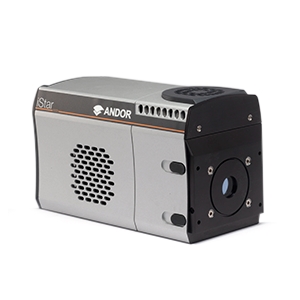
Q-switch Nd:YAG laser (Quantel-USA), convex lenses (L1, L2, L3), spectrometer (Andor Tech., Mechelle ME 5000), intensified charge-coupled device (ICCD) (Andor Tech., iStar, DH334T), Glan–Thompson polarizer (FOCtek).
4:Experimental Procedures and Operational Workflow
The laser beam was focused on the Cu sample surface, and the plume of optical emission was focused onto the entrance of a quartz fiber bundle. The output of the fiber was positioned at the entrance slit of a spectrometer coupled to an ICCD. A polarizer was placed in the detection path to measure polarization degrees.
5:Data Analysis Methods
The polarization degree was calculated based on intensities recorded with the polarizer set to parallel and perpendicular directions. Electron density and plasma excitation temperature were determined using Stark broadening and Boltzmann plot methods, respectively.
独家科研数据包��,助您复现前沿成果�����,加速创新突破
获取完整内容