研究目的
Investigating how cobalt phosphate (CoPi) modifies the structure of TiO2 nanotube array photoanodes for solar water splitting.
研究成果
Modifying TiO2 nanotube arrays with CoPi improves the photoresponse and decreases the charge transfer resistance without changing the bandgap. The maximum photoresponse was obtained for 10 min CoPi deposition, which also showed the highest crystallinity based on Raman spectra. The study provides insights into how decoration time can influence the structural properties and photoelectrochemical performance of CoPi/TNA photoanodes in solar water splitting systems.
研究不足
The study focuses on the modification of TiO2 nanotube arrays with CoPi and its effect on photoelectrochemical performance. The limitations include the specific conditions of electrodeposition and the range of deposition times tested. Potential areas for optimization include further investigation into the mechanism of CoPi action and its effect on the TiO2 structure.
1:Experimental Design and Method Selection:
TiO2 nanotube arrays (TNA) were fabricated by the anodization of titanium and then modified by CoPi through potentiostatic electrodeposition method. Different samples were prepared by varying the CoPi deposition time from 10 to 960 minutes.
2:Sample Selection and Data Sources:
The samples were characterized using field emission scanning electron microscopy (FESEM), Raman spectroscopy, X-ray photoelectron spectroscopy (XPS), and differential reflectance spectroscopy (DRS).
3:List of Experimental Equipment and Materials:
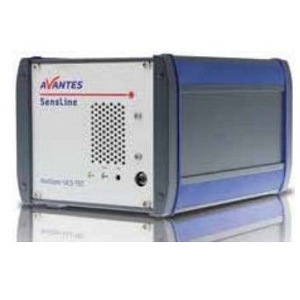
Origalys potentiostat-galvanostat system (Origaflex V01), MIRA3TESCAN-XMU FESEM instrument, Jobin-Yvon Labram HR800UV spectrometer, SPECS GmbH XPS system, Avaspec-2048-TEC spectrometer with AvaLamp DH-S setup.
4:Experimental Procedures and Operational Workflow:
Photoelectrochemical performance was measured using a three-electrode system. FESEM, Raman spectroscopy, XPS, and DRS were used to analyze the structure and surface morphology of the samples.
5:Data Analysis Methods:
The photocurrent density, charge transfer resistance, flat band potentials, and onset potential were analyzed. Raman spectra were fitted by Lorentzian function to analyze the structural changes.
独家科研数据包���,助您复现前沿成果,加速创新突破
获取完整内容