研究目的
Investigating the fine-tuning of the spectral response and refractive index sensitivity of microcavity in-line Mach-Zehnder interferometer (μIMZI) using femtosecond laser post-processing.
研究成果
The fs laser post-processing method effectively tunes the spectral response and enhances the refractive index sensitivity of μIMZIs without introducing additional losses or distortions. The method allows for significant spectral shifts and sensitivity improvements, making it suitable for precise optical sensing applications.
研究不足
The study is limited by the precision of femtosecond laser micromachining and the physical constraints of the fiber geometry. The rounding of cavity edges and variations in effective diameters may affect the predictability of spectral shifts.
1:Experimental Design and Method Selection:
The study involved theoretical modeling and experimental verification of μIMZI structures fabricated using femtosecond laser micromachining. The structures were post-processed to include an additional cavity with varying depths and shifts from the initial microcavity center.
2:Sample Selection and Data Sources:
Standard single-mode fibers were used to fabricate μIMZIs with circular cavities of 60 μm diameter. The spectral responses were monitored using a supercontinuum white light source and an optical spectrum analyzer.
3:List of Experimental Equipment and Materials:
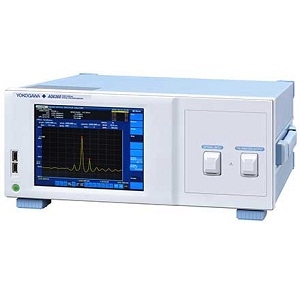
A Solstice Ti: Sapphire fs laser, Newport μFab system, NKT Photonics SuperK COMPACT supercontinuum white light source, and Yokogawa AQ6370C optical spectrum analyzer were used.
4:Experimental Procedures and Operational Workflow:
The fabrication process involved laser micromachining to create initial cavities, followed by post-processing to add extensions. The spectral responses were analyzed for different extension depths and shifts.
5:Data Analysis Methods:
The spectral shifts and refractive index sensitivities were analyzed based on the interference patterns observed in the transmission spectra.
独家科研数据包��,助您复现前沿成果�,加速创新突破
获取完整内容