研究目的
To demonstrate the applicability of laser-induced fluorescence (LIF) for the classification of viruses, aiming to reduce the time and cost of virological analyses.
研究成果
The LIF method shows potential for fast and cost-effective virus classification, with applications in environmental monitoring and clinical diagnostics. Future improvements in sensitivity and classification algorithms could enhance its applicability.
研究不足
The sensitivity of the concentration measurement is limited between 2 104 and 2 105 TCID50/mL. The presence of other agents may interfere with the classification. The technology is not yet optimized for real-world applications.
1:Experimental Design and Method Selection:
The study used laser-induced fluorescence (LIF) to classify viruses by irradiating them with UV light and recording the emitted spectra.
2:Sample Selection and Data Sources:
Different viruses were prepared and titrated according to specific cell lines.
3:List of Experimental Equipment and Materials:
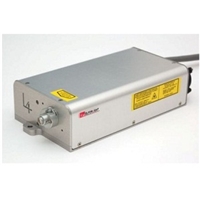
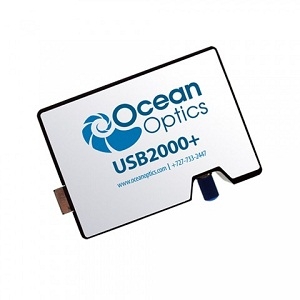
A 266 nm Q-switched diode pumped solid-state laser, quartz cuvettes, and a spectrometer were used.
4:Experimental Procedures and Operational Workflow:
Viruses were irradiated, and the emitted spectra were recorded. The spectra were pre-processed and analyzed using classification algorithms.
5:Data Analysis Methods:
Principal component analysis (PCA) and classification algorithms (decision tree, support vector machine, and neural network) were applied for data analysis.
独家科研数据包,助您复现前沿成果�,加速创新突破
获取完整内容