研究目的
To develop a portable and high-performance LSCI imager based on embedded GPU system for real-time monitoring of blood flow in clinical and biomedical research settings.
研究成果
The portable GPU-based LSCI imager demonstrated comparable performance to laboratory systems, offering potential for clinical and laboratory applications where space is limited. Future work includes integrating a programmable laser diode and developing a handheld version with motion correction capabilities.
研究不足
The laser diode was not integrated with the camera and required manual adjustment of output power. The system was not designed to be handheld, limiting its application in point-of-care settings.
1:Experimental Design and Method Selection:
The prototype system was designed with an embedded GPU platform (Jetson TX2), a scientific-grade CCD camera, a laser source, and a LCD touch screen. The system utilized spatial, temporal, and spatiotemporal contrast analysis for blood flow imaging.
2:Sample Selection and Data Sources:
In-vivo experiments were conducted using fingertip occlusion models and cerebral blood flow imaging of a rat.
3:List of Experimental Equipment and Materials:
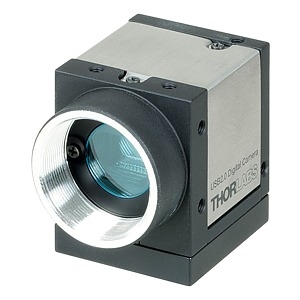
Included Jetson TX2 GPU platform, DCU224M CCD camera, 650-nm laser diode, and a 7-inch LCD touch screen.
4:Experimental Procedures and Operational Workflow:
The system captured images at a rate of 25 fps with an exposure time of 10 ms. Blood flow changes were monitored before and after occlusion.
5:Data Analysis Methods:
The system implemented enhanced laser speckle contrast analysis (eLASCA) for improved visualization of contrast images.
独家科研数据包�,助您复现前沿成果,加速创新突破
获取完整内容