研究目的
Investigating the synthesis and application of Cs4PbBr6/CsPbBr3 perovskite composites for white light emitting diodes (WLEDs) with high luminous efficiency and tunable color temperature.
研究成果
The Cs4PbBr6/CsPbBr3 perovskite composites synthesized via a one-pot mixing method exhibit excellent luminous properties and thermal stability, making them promising candidates for high-performance WLEDs. The study demonstrates the potential of these composites to replace conventional phosphors in lighting applications, with further improvements needed for high-temperature stability.
研究不足
The study highlights the sensitivity of perovskite materials to high temperatures, which affects their stability and performance in WLEDs. Further optimization is needed to improve thermal stability and color rendering index (CRI).
1:Experimental Design and Method Selection:
The study employs a room-temperature one-pot mixing synthesis method for fabricating Cs4PbBr6/CsPbBr3 perovskite composites.
2:Sample Selection and Data Sources:
The composites are synthesized using lead bromide (PbBr2), cesium acetate (CsAc), HBr water solution, and dimethyl sulfoxide (DMSO).
3:List of Experimental Equipment and Materials:
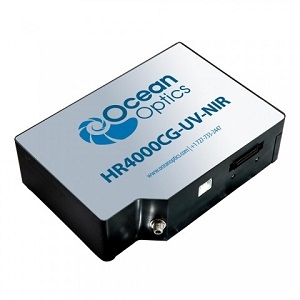
Equipment includes a powder diffractometer (Dmax2500, Rigaku), spectrometer (HR4000CG-UV-NIR, Ocean Optics), and a vacuum liquid-nitrogen cryostat (Cryo-77, Oriental Koji).
4:Experimental Procedures and Operational Workflow:
The synthesis involves dissolving PbBr2 and CsAc in DMSO, injecting aqueous HBr solution, stirring, centrifugation, and drying.
5:Data Analysis Methods:
Photoluminescence (PL) spectra, temperature-dependent PL, and electroluminescence (EL) spectra are analyzed to evaluate the composites' properties.
独家科研数据包����,助您复现前沿成果,加速创新突破
获取完整内容