研究目的
Investigating the effect of process parameters on porosity in laser welding of 7A52 aluminum alloy and optimizing the process parameters to reduce porosity.
研究成果
The study successfully optimized the process parameters for laser welding of 7A52 aluminum alloy to minimize porosity. The optimal parameters were identified as laser power of 3.5kW, welding speed of 10.0mm/s, and defocus distance of +4.0mm. The developed RSM model accurately predicted porosity area fraction, which was confirmed by validation experiments.
研究不足
The study focuses on the effect of laser power, welding speed, and defocus distance on porosity, but other factors such as shielding gas type and flow rate were not varied.
1:Experimental Design and Method Selection:
A three-factor, three-level factorial Box–Behnken design (BBD) of response surface methodology (RSM) was used to complete the design matrix.
2:Sample Selection and Data Sources:
7A52 aluminum alloy plates were used.
3:List of Experimental Equipment and Materials:
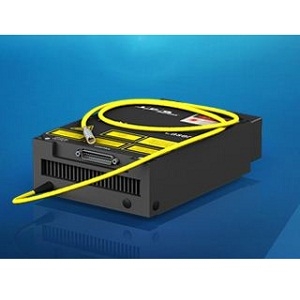
IPG YLR-4000 fiber laser, laser welding head, six-axis robot, and shielding gas nozzle.
4:Experimental Procedures and Operational Workflow:
Laser welding was carried out on 10mm thick 7A52 plates under conditions of argon shield with a constant rate of 15L/min.
5:Data Analysis Methods:
Multiple regression models were established and tested for adequacy using analysis of variance (ANOVA).
独家科研数据包�����,助您复现前沿成果���,加速创新突破
获取完整内容