研究目的
To develop a real-time, on-site rapid and sensitive detection method for low-molecular chemical pollutants using an immunochromatographic strip based on upconversion nanoparticles (UCNPs) for simultaneous detection of 2,4-dichlorophenoxyacetic acid (2,4-D) and fenitrothion.
研究成果
The developed UCNPs-based immunochromatographic strip provides a fast, low-cost, on-site, and high-throughput method for the simultaneous detection of 2,4-D and fenitrothion with detection limits of 5 ng/mL and 12 ng/mL, respectively. This method has potential applications in agricultural and environmental monitoring.
研究不足
The study focuses on the detection of 2,4-D and fenitrothion, and the applicability to other low-molecular-weight pesticide residues needs further exploration. The detection limits, while sensitive, may require optimization for different environmental and food samples.
1:Experimental Design and Method Selection
The study utilized an immunochromatographic strip based on the competitive reaction between pesticide antigens and polyclonal antibodies labeled with UCNPs bio-probes. Two polyclonal antibodies were labeled with different UCNPs for simultaneous detection.
2:Sample Selection and Data Sources
Standard solutions of 2,4-D and fenitrothion in PBS were used to determine the detection limits of the immunochromatographic strip.
3:List of Experimental Equipment and Materials
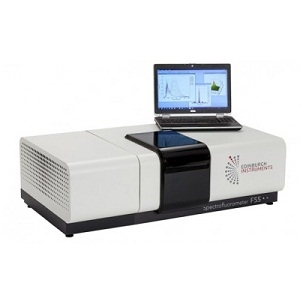
Included rare earth oxides, oleic acid, 1-octadecene, polyethyleneimine, bovine serum albumin, and various chemicals for synthesis and conjugation. Equipment included XRD-6000 diffractometer, Hitachi S-4800 SEM, and Edinburgh FS5 spectrophotometer.
4:Experimental Procedures and Operational Workflow
Synthesis of UCNPs, conjugation with antibodies, construction of immunochromatographic strips, and detection of 2,4-D and fenitrothion using these strips.
5:Data Analysis Methods
Detection limits were determined based on the concentration of analytes that caused complete invisibility of the test line on the strip.
独家科研数据包�,助您复现前沿成果����,加速创新突破
获取完整内容