研究目的
To improve the LIBS emission signals of extracted animal fats which in liquid formed by transformed into solid phase using freezing methods and to differentiate the extracted chicken fat, lamb fat, beef fat and lard in the score plots for both freezing methods.
研究成果
The LN2 freezing method enhanced LIBS signals from extracted chicken and lamb fat by more than 10% compared to the freezer method. Although the freezer method produced stronger signals for beef fat and lard, the LN2 method provided more stable and closely clustered data points. The 3D score plot achieved good discrimination between the different animal fats using the LN2 method.
研究不足
The study was limited to the analysis of extracted animal fats using two freezing methods. The splashing issue in liquid samples and the need for a large amount of sample for some methods were noted as challenges.
1:Experimental Design and Method Selection:
Utilized principal component analysis (PCA) to analyze laser-induced breakdown spectroscopy (LIBS) signals of extracted animal fats frozen using two different methods.
2:Sample Selection and Data Sources:
Extracted chicken fat, lamb fat, beef fat, and lard were prepared and frozen using liquid nitrogen (LN2) and freezer methods.
3:List of Experimental Equipment and Materials:
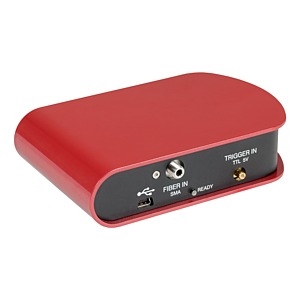
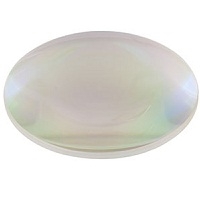
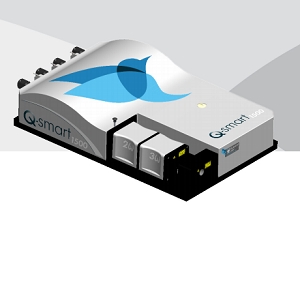
Nd:YAG laser (Quantel Q-Smart 850), spectrometer (CCS200), optical fiber (Thorlabs), and plano-convex lens (Thorlabs).
4:Experimental Procedures and Operational Workflow:
Samples were ablated using 30–60 shots of the laser beam at different spots. LIBS spectra were collected and analyzed using PCA.
5:Data Analysis Methods:
PCA was used to visualize the LIBS spectra into a score plot and to compare the intensity of emission lines.
独家科研数据包����,助您复现前沿成果��,加速创新突破
获取完整内容