研究目的
Investigating how red-blue LED lights in greenhouses affect the landing performance of foraging bumblebees.
研究成果
The study found that bumblebees can land remarkably well in red-blue LED light conditions, with only a slight increase in the duration of the final landing phase. This suggests that the negative effects of red-blue light on landing performance are limited to the final phase of the landing. The findings highlight the need for further research to understand the integrative effects of greenhouse lighting on overall foraging dynamics.
研究不足
The study was conducted in a simplified environment compared to actual greenhouses, and the results may not fully represent the complexity of natural foraging conditions. Additionally, the study did not control for individual bumblebee differences or repeated flights by the same individuals.
1:Experimental Design and Method Selection:
High-speed stereoscopic videography was used to 3D track and compare landing manoeuvres of Bombus terrestris bumblebees in red-blue light and in broad-spectrum white light.
2:Sample Selection and Data Sources:
Bumblebees from a Bombus terrestris colony were used, with landings recorded in a flight cage under controlled light conditions.
3:List of Experimental Equipment and Materials:
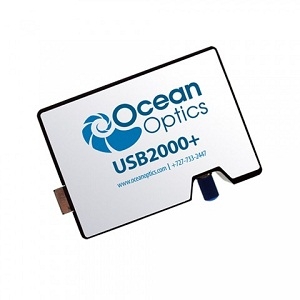
The setup included a flight cage, feeding platform, high-speed cameras, LED light panels, and a spectrometer for light spectrum measurement.
4:Experimental Procedures and Operational Workflow:
Bumblebees were trained to forage in the flight cage, and their landing manoeuvres were recorded under two light conditions.
5:Data Analysis Methods:
Flight trajectories were analyzed using Kalman filtering and linear mixed models to compare landing dynamics between light conditions.
独家科研数据包�,助您复现前沿成果�����,加速创新突破
获取完整内容